
 Hizero
How to Keep Hard Floors Clean Every Day Without Losing Your Weekend
Key Takeaways
- Little and often beats one big clean. A few minutes a day stops grit and spills building up.
- Stop dirt at the door with mats and a shoes-off habit. It’s the easiest way to cut daily cleaning.
- Deal with spills straight away, especially on timber and laminate, where standing water does the damage.
- A one-pass hard floor cleaner turns the sweep-then-mop routine into a single quick job.
Most people clean their floors the hard way: ignore them all week, then spend part of Saturday sweeping, vacuuming and mopping. By then, grit has been walked through every room and spills have dried on.
There’s an easier approach. Hard floors stay cleaner, and look better for longer, when they get a little attention often rather than a lot of attention rarely. Here’s a realistic routine for busy households that keeps floors clean without taking over your weekend.
Why Frequency Matters More Than Depth
On hard floors, the biggest enemy isn’t the visible mess. It’s the fine grit and sand that comes in on shoes and paws. Underfoot, that grit acts like sandpaper, wearing down the finish on timber, dulling hybrid and vinyl, and scratching softer tiles over time.
The longer grit sits on the floor, the more it’s walked around. So a quick daily clean of the busiest areas does more to protect your floors than a thorough weekly clean on its own.
Spills follow the same rule. A drink wiped up in a minute leaves no trace. The same spill left overnight can stain grout, leave a sticky patch, or, on timber and laminate, start to seep into the joins. Our laminate and engineered timber guides explain why moisture is the main risk for those floors.
Step One: Stop Dirt at the Door
The easiest floor to clean is one that never gets dirty in the first place.
- Use two mats. A coarse mat outside the door scrapes off grit; a softer mat inside catches what’s left.
- Make shoes off a habit. A shoe rack by the door makes it easy for everyone, including guests.
- Wipe paws. A towel by the back door saves cleaning muddy prints through the house.
- Shake out mats weekly. A full mat stops working and starts spreading dirt.
A Realistic Daily Routine
This takes around 10 minutes, and most of it can happen while the kettle boils.
- Spot clean spills as they happen. Keep a cloth handy in the kitchen and deal with drips straight away.
- Clean the high-traffic zones. Focus on the kitchen, entry and the main hallway, where most grit and crumbs collect.
- Do the kitchen floor after dinner. It’s the messiest floor in most homes, and a quick evening clean means you start each day fresh.
- Put things away. A clear floor is quicker to clean, so make tidying part of the routine.
With a broom and mop, steps 2 and 3 are really two jobs each: sweep or vacuum, then mop. That’s often why the daily clean gets skipped.
A Weekly Routine
Once a week, clean every hard floor in the house, not just the busy areas.
- Move the light things. Pick up mats, bins and chairs so you can clean underneath.
- Clean every hard floor room. Work from the far side of each room towards the door.
- Do the bathrooms last. Clean them after the living areas so you’re not carrying bathroom dirt through the house.
- Wash the mats and shake out rugs.
A Monthly Check
- Look at the edges and corners, where dust builds up along skirting boards.
- Check high-traffic areas for wear or dull patches, especially on timber.
- Check furniture pads on chair and table legs, and replace any that have worn through.
- Clean your cleaning tools, whether that’s washing mop heads or running a deep clean on your floor cleaner.
Daily Care by Floor Type
| Floor | Daily focus | Avoid |
| Tiles | Crumbs and spills; clean grout lines regularly | Leaving cleaner residue, which causes streaks |
| Natural timber | Grit removal; dry spills quickly | Excess water and steam |
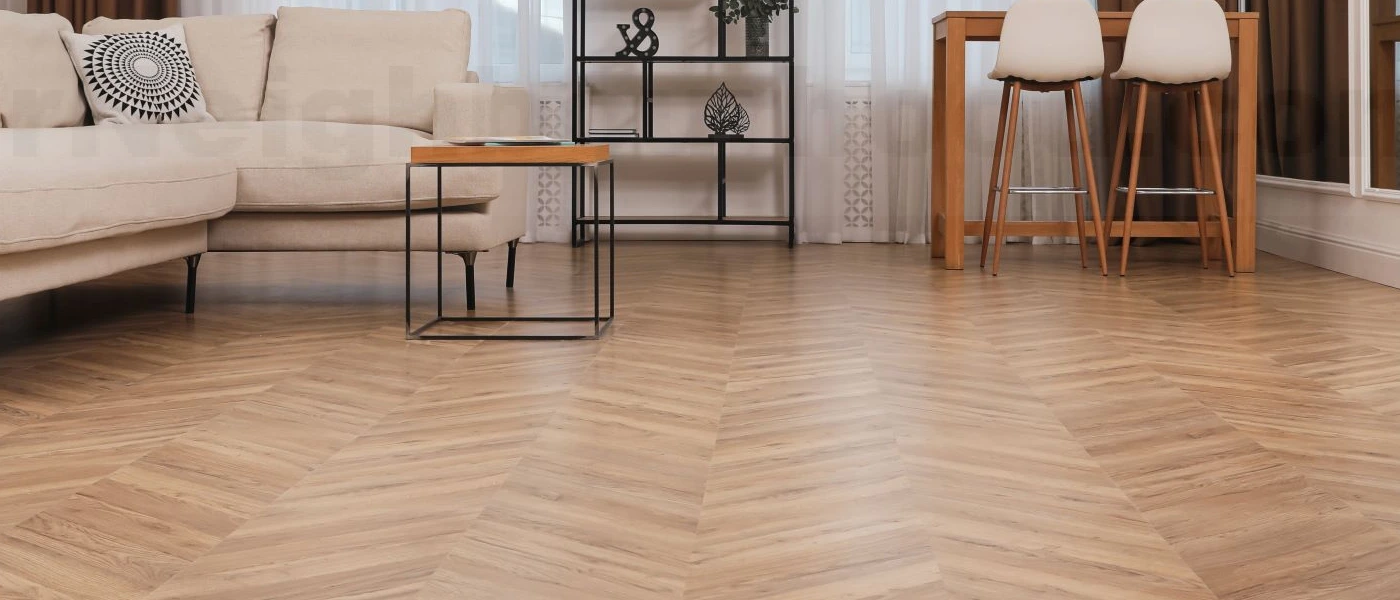
| Engineered timber | Grit removal; dry spills quickly | Excess water in the joins |
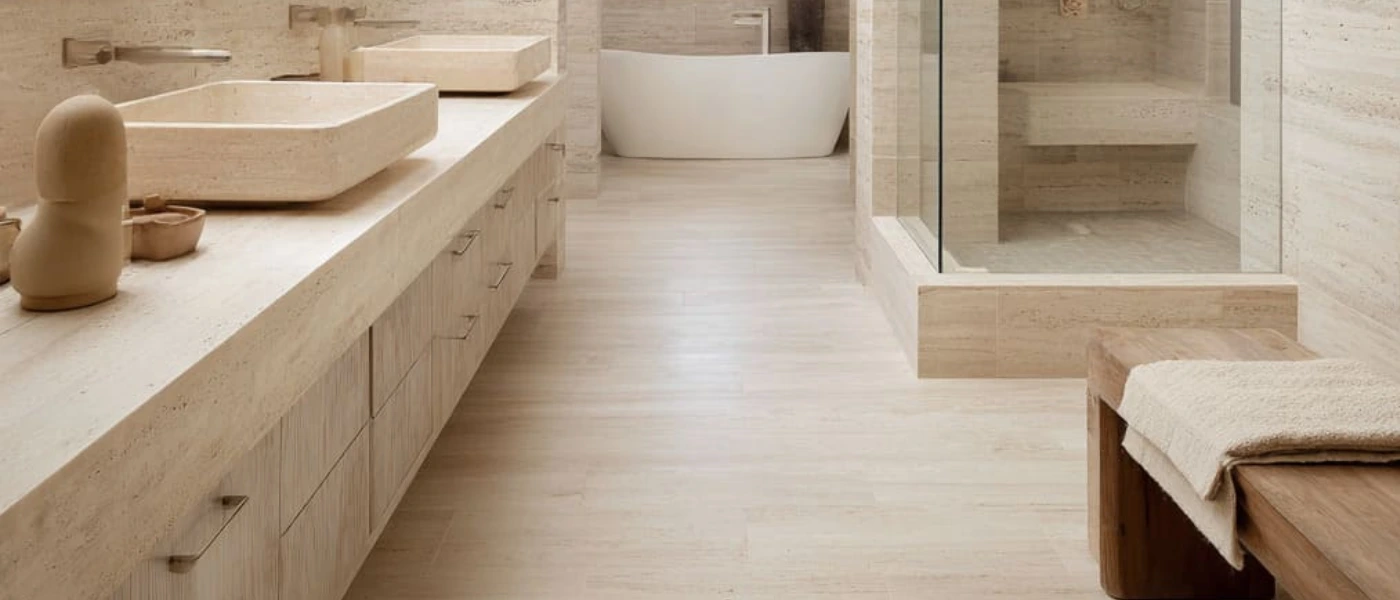
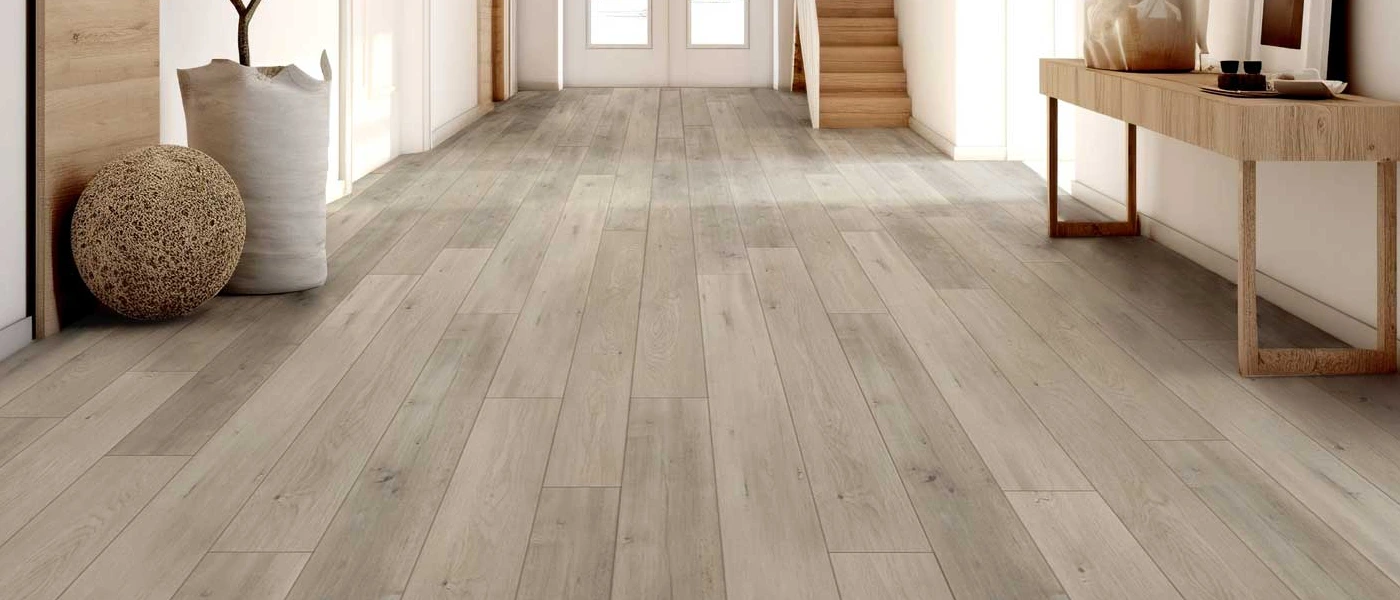
| Hybrid and vinyl | Grit that dulls the surface | Abrasive pads and harsh chemicals |
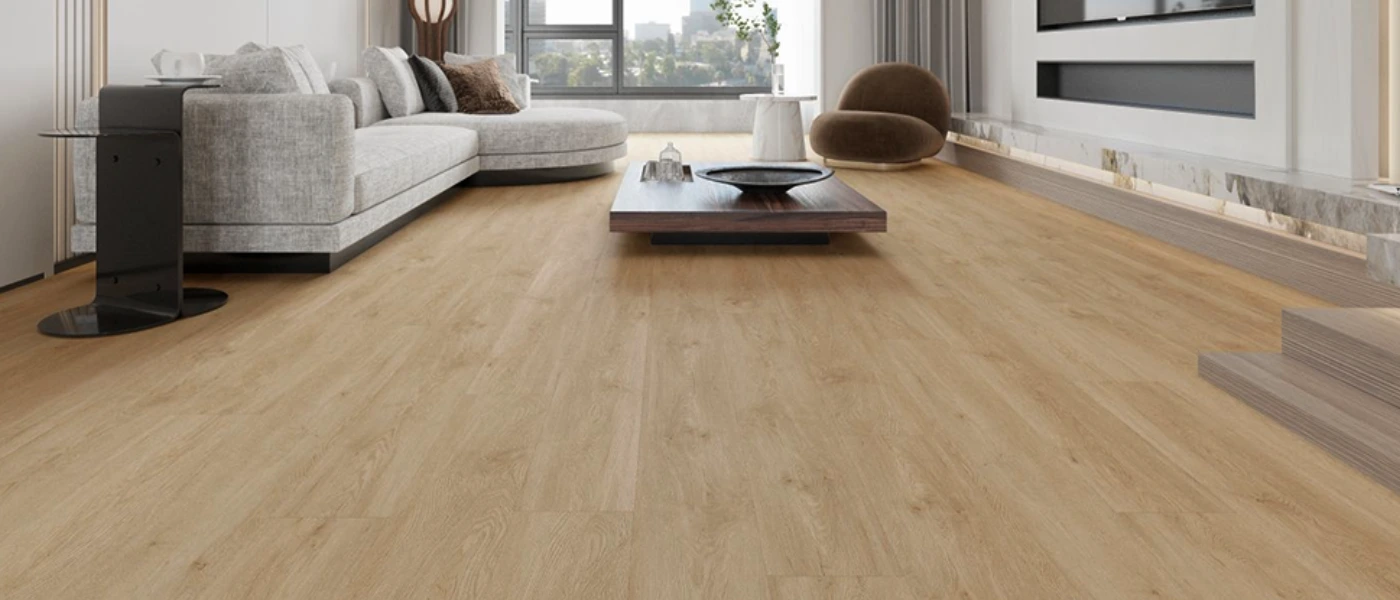
| Laminate | Spills straight away | Wet mopping and standing water |
For more detail, see our guides to cleaning tiles, natural timber, engineered timber, hybrid and laminate floors.
Common Mistakes That Make Clean Floors Look Dirty
Sometimes a floor has been cleaned but still looks dull or streaky. These are the usual causes:
- Too much cleaner. More product doesn’t mean a better clean. Excess cleaner dries into a film that shows footprints and streaks.
- Dirty mop water. With a mop and bucket, the water gets dirtier with every dunk, so you end up spreading thin dirt back across the floor.
- Leaving the floor wet. Water that dries on its own can leave marks, especially on dark tiles and glossy finishes.
- The wrong product for the floor. Harsh or acidic cleaners can dull timber finishes, vinyl and natural stone.
- Skipping the grit. Mopping over grit grinds it into the surface. Grit needs to be picked up before or during the mop, not after.
Our guide to cleaning tiles without streaks explains how residue causes streaks and how to fix it.
How to Make the Daily Clean Faster
The routine above works with a broom and mop. The problem is time. Sweeping, then mopping, then waiting for the floor to dry turns a 10-minute job into 30, and that’s when it gets skipped.
A one-pass hard floor cleaner removes two of those steps. HIZERO sweeps and mops at the same time, so there’s no vacuuming first, and its AirDry™ technology leaves floors dry in seconds. Clean and dirty water stay in separate tanks, so you’re not spreading dirty mop water around. At under 60dB, it’s quiet enough to use in the evening without waking anyone.
That changes the daily routine. Instead of sweeping and mopping the kitchen after dinner, it’s one pass and done. HIZERO says its machines cut cleaning time in half. Our No Suction Technology guide explains how it works.
If you do use a HIZERO, a quick daily habit keeps it working well: empty the solid waste tray and dirty water tank, run the self-clean on the dock, and let the roller dry. Our polymer roller guide covers the full care routine.
Your Hard Floor Routine at a Glance
| How often | What to do | Time |
| Daily | Spot clean spills; clean the kitchen, entry and main hallway | Around 10 minutes |
| Weekly | Clean every hard floor room; wash mats | Depends on floor area |
| Monthly | Check edges, wear and furniture pads; clean your tools | 15 to 20 minutes |
Stick to the daily part and the weekly clean gets faster too, because there’s less built-up dirt to deal with.
Frequently Asked Questions
How often should you clean hard floors?
Clean high-traffic areas like the kitchen and entry daily, and every hard floor in the house once a week. Busy homes with pets or young kids may need more.
What’s the fastest way to clean hard floors every day?
Stop dirt at the door with mats, deal with spills straight away, and use a one-pass cleaner that sweeps and mops at the same time.
Is it bad to mop hard floors every day?
It depends on the floor and how wet the mop is. Excess water is the risk, especially on timber and laminate. Use a well-wrung mop or a cleaner that leaves floors dry quickly.
What’s the best way to clean hard floors with pets?
Clean high-traffic areas daily, wipe paws at the door and use a cleaner that picks up hair as well as wet and dry mess. HIZERO has a dedicated brush roller for pet hair.
How do I stop hard floors getting dirty so quickly?
Use mats inside and outside each door, keep shoes off indoors, wipe pets’ paws and clean the busiest areas daily.
Want to spend less time on your floors? See how one pass replaces two in the HIZERO hard floor cleaner range.


 Digital Thing