
 Hizero
How Does a Polymer Roller Work? The Science Behind HIZERO’s Self-Cleaning Roller
Key Takeaways
- HIZERO’s Polymer Roller is made from hi-density PVA polymer, a sponge-like material, not fabric or microfibre. It’s soft when wet and gentle enough to protect sealed floors from scratches.
- It works in a loop: pick up mess on contact, get squeezed out by a grate, get flushed with clean water, repeat. HIZERO calls this Realtime Self-Cleaning, and it runs every second the machine is on.
- Because the roller is rinsed during the clean, every section of floor is mopped with a clean roller and fresh water, not dirty water carried over from the last room.
- It isn’t maintenance-free. HIZERO recommends replacing the roller every 6 months, plus a quick empty, rinse and dry after each clean.
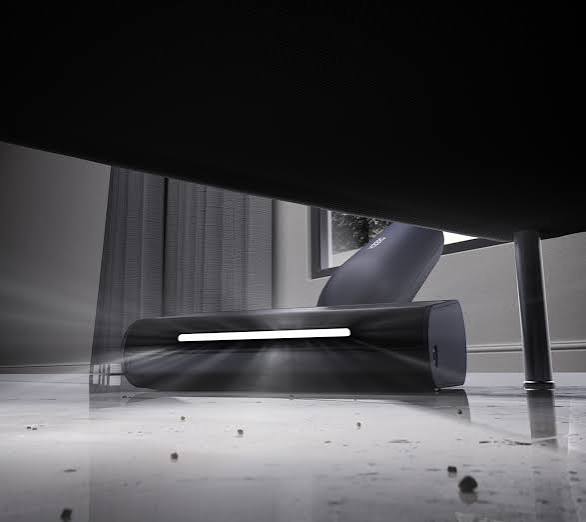
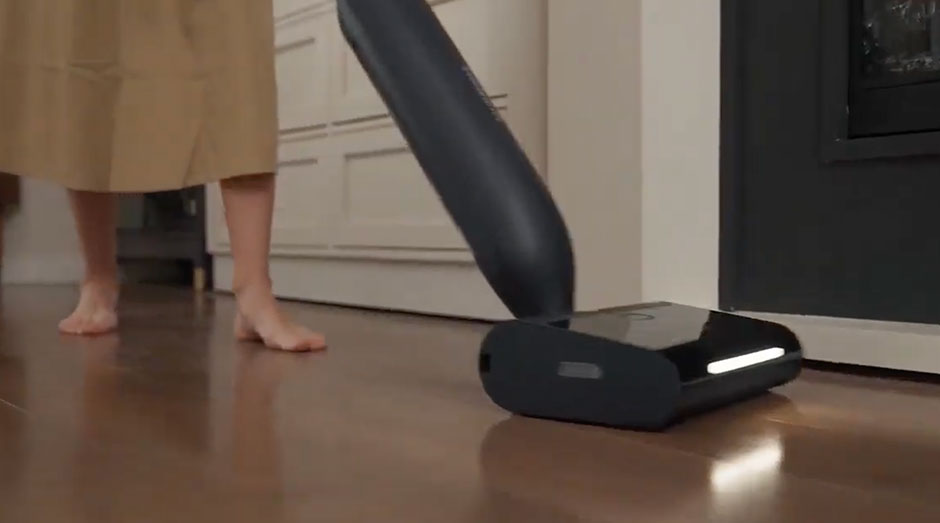
A polymer roller mop cleans with a soft, sponge-like roller made from polyvinyl alcohol (PVA) instead of a fabric or microfibre pad. On a HIZERO, that roller turns against the floor at 100rpm, lifts liquids, solids and dust on contact, then gets squeezed out and flushed with clean water every second it’s running. So the part touching your floor is clean on every rotation, not just at the start of the session.
Here’s what the roller is made of, why HIZERO chose that material, and what it takes to keep one working well.
What Is HIZERO’s Polymer Roller Made Of?
HIZERO’s cleaning roller is made from hi-density PVA (polyvinyl alcohol) polymer. On the F300 it’s called the Polymer Roller. On the F600 it’s the Multi Roller. Same material, same job.
PVA forms a fine, open-cell sponge. Two of its properties make it suited to floor cleaning:
- It changes with water. Dry, it’s stiff and hard. Wet, it turns soft and pliable. That’s why HIZERO’s user manual asks you to soak a new roller in warm water (15°C to 40°C is recommended) and squeeze it until it’s completely soft before first use.
- It takes water in and gives it back. The pores draw in liquid as the roller passes over a spill, then release it when the roller is squeezed. That squeeze-and-release cycle is the basis of how the roller cleans itself.
HIZERO uses hi-density polymer rather than common fabric because it’s gentle and durable enough to protect floors from scratches.
Why Polymer Instead of Microfibre or Fabric?
Most wet-dry floor cleaners use a fabric or microfibre roller. Fabric works by trapping dirt in its fibres. That’s effective, but the roller holds on to what it catches: fine debris, hair and dirty water sit between the fibres until the roller is washed, usually in a self-clean cycle at the end of the session.
A polymer roller works the other way round. It doesn’t store dirt in fibres. It carries it in water, which the machine squeezes out on the very next rotation.
| Fabric or microfibre roller | HIZERO Polymer Roller | |
| Material | Woven or looped fibres | Hi-density PVA polymer (sponge-like) |
| How it holds dirt | Trapped between fibres | Carried in water, squeezed out every rotation |
| When it’s rinsed | Typically a self-clean cycle after use | Flushed every second during use |
| Hair | Collected by the same roller, and can wrap through the fibres | Collected by a separate nylon brush roller |
For how this plays out against specific brands, see our HIZERO vs Tineco vs Bissell comparison.
How Does a Polymer Roller Clean Itself?
Every rotation runs the same four-step loop:
- Pick up. The roller turns against the floor at 100rpm, lifting liquids, solids and dust on contact.
- Separate. A nylon brush roller works alongside it, collecting hair and brushing solids into the solid waste tray.
- Squeeze. A water sink grate presses the dirty water out of the roller and sends it to the dirty water tank.
- Flush. Clean water from the clean water tank rinses the roller, ready for the next rotation.
HIZERO calls this Realtime Self-Cleaning. Because the loop runs every second the machine is on, every section of your floor is mopped with a clean roller and fresh water. Twin water tanks keep the clean supply and the dirty water apart, so dirty water doesn’t go back on the floor, and AirDry™ leaves floors dry in seconds. You can see each of these parts labelled on HIZERO’s features page.
The loop also explains the design’s main limit. It’s built for sealed, water-resistant hard floors, not carpet, rugs or any water-absorbent floor covering.
Does a Self-Cleaning Roller Stop Bacteria Building Up?
The stale smell people associate with wet-dry vacuums and mops usually comes from one combination: a damp roller, dirty water and bits of food left sitting together after the clean. That’s the environment where bacteria and odours build up. HIZERO’s design works on each part of it:
- During the clean, the roller is rinsed with clean water every second, so it isn’t dragging dirty water across your floor.
- In the tank, Triple Auto Separation keeps solids out of the dirty water. HIZERO says this prevents clogs and eliminates odours.
- After the clean, you can run a self-clean on the dock, then dry the roller on the docking station’s roller stand to avoid odour and deformation.
Self-cleaning doesn’t replace good habits, though. HIZERO’s manual says to empty and rinse the dirty water tank after every use to prevent bacteria and odour, and to clean inside the cleaning head before storing the machine.
How Long Does a Polymer Roller Last?
HIZERO recommends replacing the Polymer Roller every 6 months, and sooner if it becomes torn, broken, chipped or hardened. The nylon brush roller has the same 6-month recommendation. Both are sold as official replacement rollers for each model.
That’s worth knowing up front, especially if you’ve owned a machine that turned into a maintenance job. A polymer roller is a consumable part, like a toothbrush head or a vacuum filter. The difference is how little work it asks of you between replacements, because it’s rinsed during the clean rather than left for you to scrub.
| When | What to do | Why |
| After every clean | Empty and rinse the dirty water tank. Tip the solid waste tray into the bin. | Stops odour and bacteria building up |
| After every clean | Run the self-clean on the dock, then dry the roller on the roller stand. | Keeps the roller fresh and holding its shape |
| Regularly | Comb hair off the brush roller with the supplied comb. Check both rollers. | Keeps hair pick-up working |
| When clogged | Clean the grate filter. | Keeps dirty water flowing to the tank |
| Away more than a week | Remove the roller and let it dry before storing. | Avoids odour |
| Every 6 months | Replace the polymer roller and brush roller. | Keeps cleaning results consistent |
Two don’ts from the manual: never clean the roller with anything sharp, and don’t soak it in water hotter than 50°C. The F300 and F600 routine maintenance videos on the HIZERO how-to videos page walk through each step.
Which HIZERO Models Use a Polymer Roller?
Both current HIZERO hard floor cleaners, the F300 All-In-One Hard Floor Cleaner and the F600 Cordless Hard Floor Cleaner, use the same hi-density polymer roller turning at 100rpm, with Realtime Self-Cleaning on both. The differences are weight and tank size, which our F300 vs F600 guide covers in full. The same polymer roller technology also features in the H100 Multi-Surface Cleaner for benchtops, glass and other hard surfaces.
Frequently Asked Questions
What is a polymer roller mop?
A polymer roller mop is a powered floor cleaner that uses a roller made from a polymer such as PVA instead of fabric or microfibre. HIZERO’s version squeezes and flushes the roller with clean water every second it runs, so it cleans with a clean roller the whole way through.
Why is my new HIZERO roller hard?
PVA stiffens when it dries out. Soak the roller in warm water (15°C to 40°C is recommended, never above 50°C) and squeeze it evenly until it’s soft, then squeeze out the excess until it stops dripping.
How often should I replace a HIZERO polymer roller?
HIZERO recommends every 6 months, or sooner if the roller is torn, broken, chipped or hardened.
Can a polymer roller scratch my floors?
HIZERO’s hi-density polymer is gentle on sealed hard floors and designed to protect them from scratches. Pick up broken glass and other sharp objects by hand first, as the roller isn’t designed for them.
Is a polymer roller better than microfibre?
They suit different jobs. Microfibre traps dirt in its fibres and is usually washed after the clean, and many microfibre machines also handle rugs. A polymer roller is squeezed and flushed during the clean, which keeps it clean throughout, but it’s built for sealed hard floors only.
Does the polymer roller pick up hair?
Hair is handled by the nylon brush roller that works alongside the polymer roller. Comb it out regularly with the brush comb supplied in the box.
If you’re now weighing whether a HIZERO is worth the price, our “Is HIZERO Worth It?” page covers what Australian buyers say after living with one. Or compare the F300 and F600 side by side in the HIZERO hard floor cleaner range.


 Digital Thing