
 Hizero
Bionic Mop: What Does It Actually Mean?
Key Takeaways
- A bionic mop is a powered floor cleaner that sweeps and mops in one pass. A soft polymer roller picks up dry and wet mess together, so there’s no broom first and mop second.
- It’s not a vacuum and not a steam mop. It uses No Suction Technology and no steam.
- “Bionic” describes a design idea, not a regulated product category, so it’s worth checking the mechanism behind any product using the term.
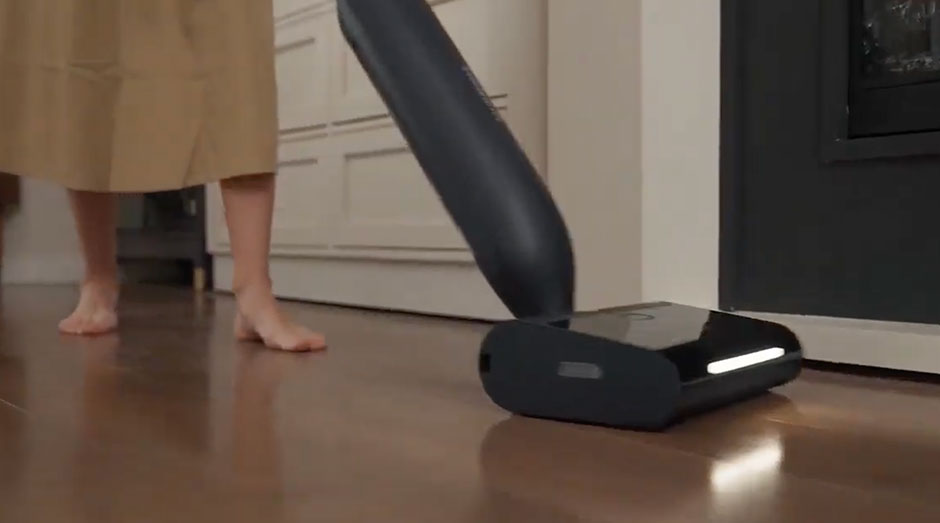
A bionic mop is a cordless, powered hard floor cleaner designed by copying a movement found in nature. HIZERO’s bionic mop mimics how cats and dogs pick up food and clean themselves, using a soft polymer roller to sweep and mop a floor in one pass, without suction or steam.
That’s the short answer. Below is where the term comes from, how a bionic mop works in practice, and how it compares with the mop and bucket most Australian homes still use.
Where Does the Term “Bionic” Come From?
Bionics is the practice of studying how living things solve problems and applying those solutions to engineering. It’s also called biomimicry. One of the best-known examples is Velcro, which was inspired by the way burrs hook onto animal fur.
HIZERO Appliances Corporation was founded in 2013 by a group of engineers and designers, and says its first floor cleaner was inspired by bionics. The inventor was tired of mopping the old way with a mop and bucket, and looked at how dogs and cats clean themselves and pick up their food. Those movements became the basis for an appliance that could clean a hard floor in one pass.
The parallel is easy to see. Like an animal’s tongue, HIZERO’s roller is soft and wet, picks up liquids and solids on contact, and is refreshed before the next stroke. We now call our range the world’s first cordless bionic all-in-one mop, and describe our technology as nature-inspired. You can read more about our background on our About Us page.
How Does a Bionic Mop Work?
On a HIZERO, the bionic idea comes to life through a few parts working together in every pass:
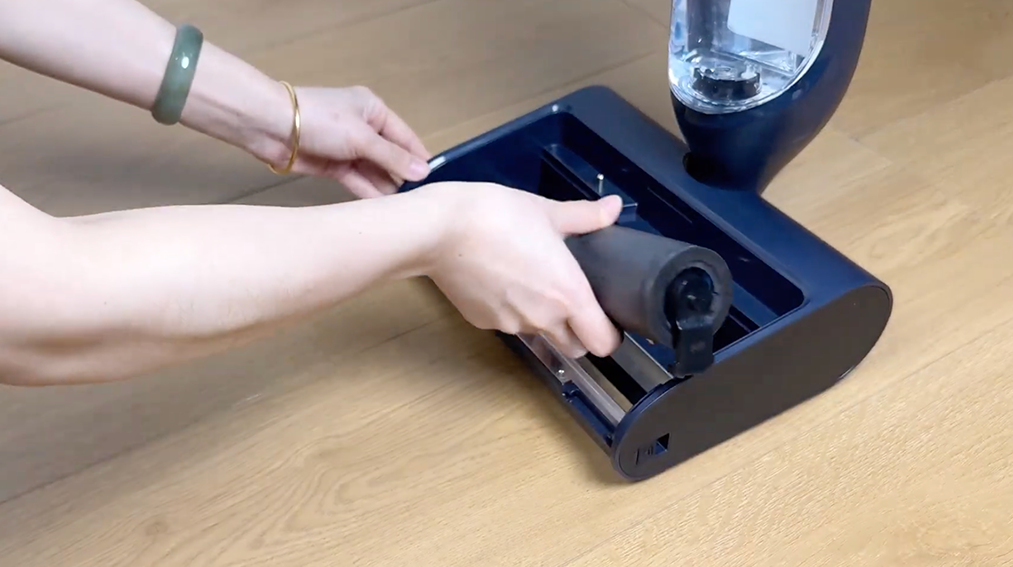
- A soft Polymer Roller picks up the mess. It turns against the floor at 100rpm, lifting liquids, solids and dust on contact.
- A brush roller handles hair and solids. It collects hair and brushes debris into a solid waste tray.
- A grate squeezes out the dirty water. The liquid goes into its own dirty water tank, kept apart from the solids.
- Clean water flushes the roller. Realtime Self-Cleaning rinses the roller with fresh water every second it runs.
- The floor is left dry. AirDry™ technology leaves floors dry in seconds.
HIZERO groups this under its UltimateClean™ technology. Each part is labelled on the HIZERO features page.
Bionic Mop vs Traditional Mop: What’s the Difference?
HIZERO’s bionic mops combine dry cleaning tools, like brooms and vacuums, with wet cleaning tools, like mops and damp paper towels, in one machine. Here’s how that compares with the traditional routine.
| Mop and bucket | HIZERO bionic mop | |
| Steps | Sweep or vacuum first, then mop | Sweeps and mops in one pass |
| Water | One bucket that gets dirtier with every dunk | Clean and dirty water kept in separate tanks |
| Solids | Pushed around or left for the broom | Collected in a solid waste tray |
| Effort | Manual wringing and scrubbing | Powered roller; push forward and back |
| Drying | Floor left wet to air-dry | AirDry leaves floors dry in seconds |
| Cleanup | Rinse the mop head and bucket | Empty the tray and tank, run the self-clean |
The biggest practical difference is the water. With a bucket, the dirt you lift goes back into the water you mop with. With a bionic mop, the floor is only ever cleaned with fresh water.
What Are the Benefits of a Bionic Mop?
The bionic design changes three things you’ll notice on cleaning day:
- Less time. One pass replaces sweeping, vacuuming and mopping. HIZERO says this cuts cleaning time in half.
- A quieter, cleaner room. With no suction fan, there’s no exhaust air blowing dust around and no vacuum roar. HIZERO’s models run under 60dB, around the level of a normal conversation.
- Less mess to deal with afterwards. Solids, liquids and hair are separated as you clean, so cleanup is a quick tip into the bin and a pour down the sink.
Is a Bionic Mop the Same as a Vacuum Mop or a Steam Mop?
No. The three look similar from a distance, but they clean in different ways.
- Vacuum mop: a suction fan creates airflow that pulls water and debris up through a brush roll. A bionic mop uses No Suction Technology instead, so there’s no exhaust air, and HIZERO’s models run under 60dB in all modes.
- Steam mop: heats water to clean with steam and moisture. A bionic mop uses no steam, which is why HIZERO is suited to sealed timber floors. Our engineered timber floor guide explains why moisture matters on timber.
If you’re weighing a bionic mop against a specific suction-based machine, our HIZERO vs Tineco vs Bissell comparison covers the differences brand by brand, including where those machines do better.
What Can’t a Bionic Mop Do?
Knowing the limits helps you decide whether one suits your home.
- Carpet and rugs. HIZERO is built for sealed, water-resistant hard floors only, such as tiles, timber, hybrid, vinyl and marble.
- Sharp or large objects. Pick up broken glass, toys, shoes and power cords before you start.
- Zero maintenance. The roller is a consumable part. We recommend replacing it every 6 months, and emptying and rinsing the dirty water tank after every clean.
Which HIZERO Bionic Mops Are Available in Australia?
HIZERO currently sells two bionic hard floor cleaners in Australia, the F300 All-In-One Hard Floor Cleaner and the F600 Cordless Hard Floor Cleaner. Both use the same bionic mechanism. The differences are weight and tank size.
| Model | Weight | Clean / dirty tank | Runtime | Noise |
| F300 | 3.5kg | 450ml / 400ml | 60+ minutes | Under 60dB |
| F600 | 4.5kg | 600ml / 600ml | 60+ minutes | Under 60dB |
Our F300 vs F600 guide covers which model suits your home, or you can see both in person at a HIZERO showroom.
Frequently Asked Questions
What does “bionic” mean in a bionic mop?
It means the design copies something from nature. HIZERO’s bionic mop is based on how cats and dogs clean themselves and pick up food, using a soft, wet roller that lifts mess on contact.
Does a bionic mop use suction?
Not HIZERO’s. It uses No Suction Technology: a rotating polymer roller picks up mess by contact, so there’s no suction fan or airflow.
Can a bionic mop pick up pet hair?
Yes. HIZERO’s bionic mops have a brush roller that collects human and pet hair, keeping it out of the dirty water. You clear it with the brush comb supplied in the box.
Is a bionic mop safe on timber floors?
HIZERO’s bionic mops are suitable for sealed, water-resistant hard floors, including timber. They don’t use steam, and AirDry leaves floors dry in seconds.
Ready to compare models? See the F300 and F600 side by side in the HIZERO hard floor cleaner range.


 Digital Thing